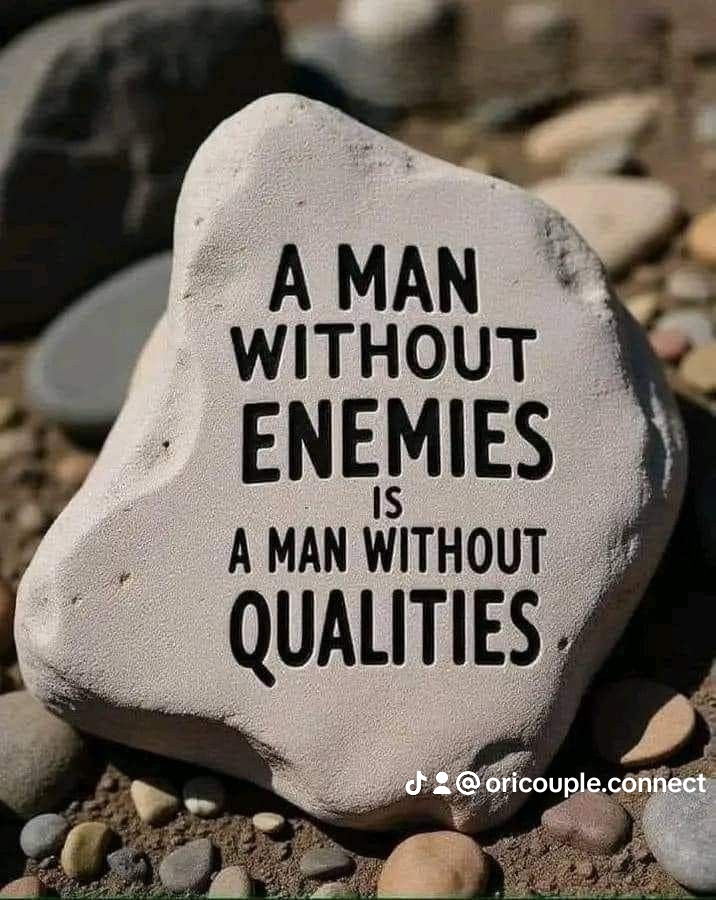
“A man without enemies is a man without qualities.”
It’s harsh, but there’s truth in it. Here’s the expansion:
1. What it actually means
If you’ve never made an enemy, it usually means you’ve never stood for anything strong enough to threaten someone.
Enemies aren’t made by being evil. They’re made by:
- Having convictions — You said no when everyone said yes
-
Taking a stand — You chose a side, built something, competed, led
-
Being excellent — People resent those who outwork, outthink, or outshine them
-
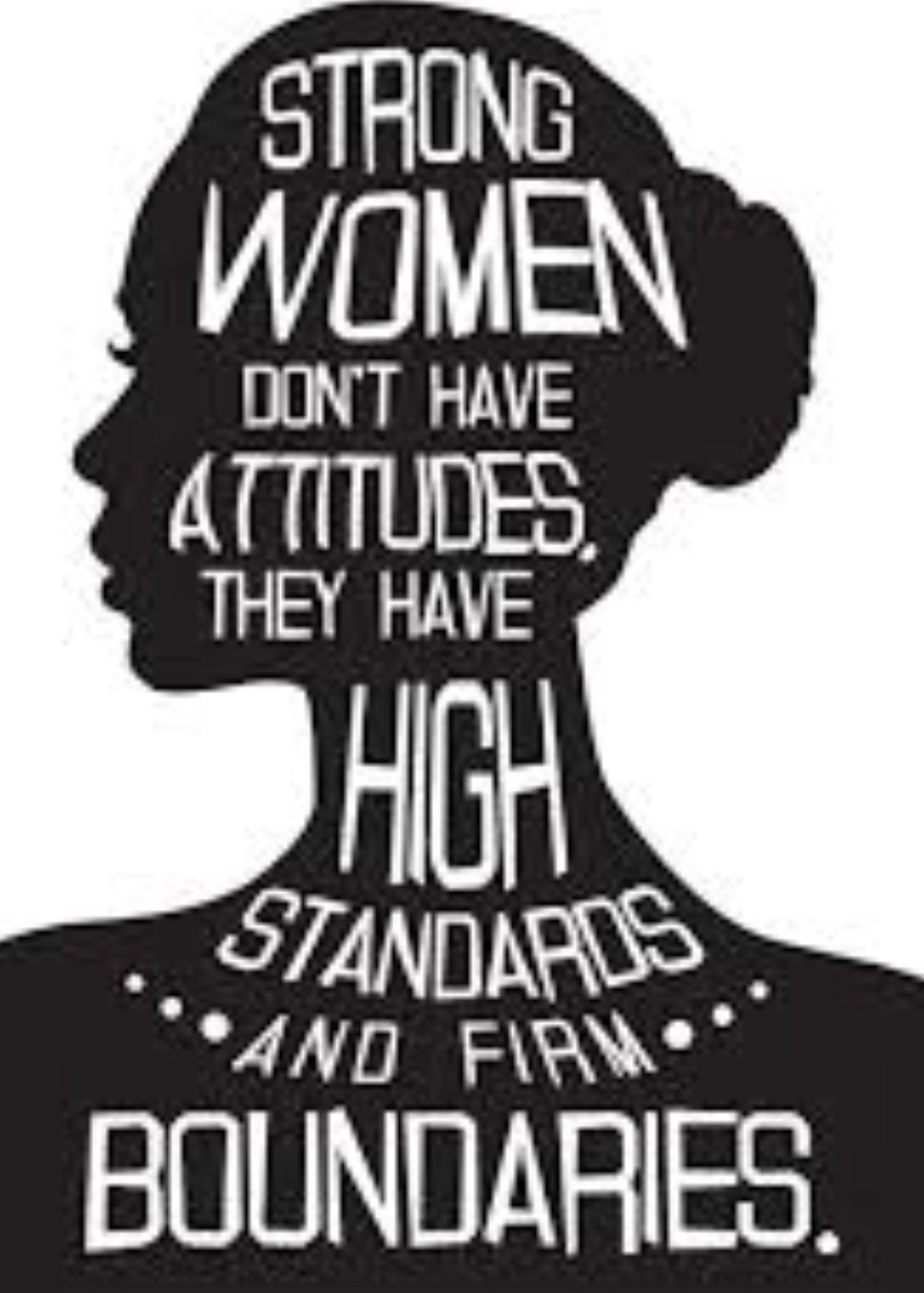
Setting boundaries — You refused to be walked over
If you’re liked by everyone, you’re probably neutral. You don’t challenge, you don’t lead, you don’t disrupt. You’re wallpaper.
2. Why enemies show up when you have qualities
1. Vision creates opposition
Anyone building something will step on toes. Jealousy, competition, disagreement = enemies. That’s the tax on ambition.
2. Standards create friction
A man with integrity will say things others don’t want to hear. He’ll fire people, cut off friends, reject bad deals. Some people will hate him for it.
3. Growth makes others uncomfortable
When you level up, it forces people around you to see where they’re stagnant. Not everyone claps. Some get bitter.
3. The trap of “being liked by all”
Trying to have zero enemies usually means:
- You people-please
-
You stay silent on things that matter
-
You copy instead of create
-
You avoid risk
That’s safe. But safe men don’t build legacies. They’re forgotten.
4. The nuance — not all enemies are good*
This quote isn’t saying “go collect hate.”
Bad enemies come from arrogance, cruelty, betrayal.
Good enemies come from: “I disagree with how you lead” or “I want what you have and I’m mad I don’t have it yet.”
The goal isn’t to be hated. The goal is to be worth having an opinion about.
A man without enemies probably hasn’t:
- Built anything
-
Defended anything
-
Believed in anything enough to fight for it
A man with qualities will be praised and criticized. He’ll have allies and opponents. That friction is proof he’s actually in the game.
As Roosevelt put it: “It is better to be the man in the arena, with the marred face and the dust and the blood, than the critic who stands on the sidelines.”
By Ojoko Eric
Arthur